
3Dscanning for reverse engineering and CAD
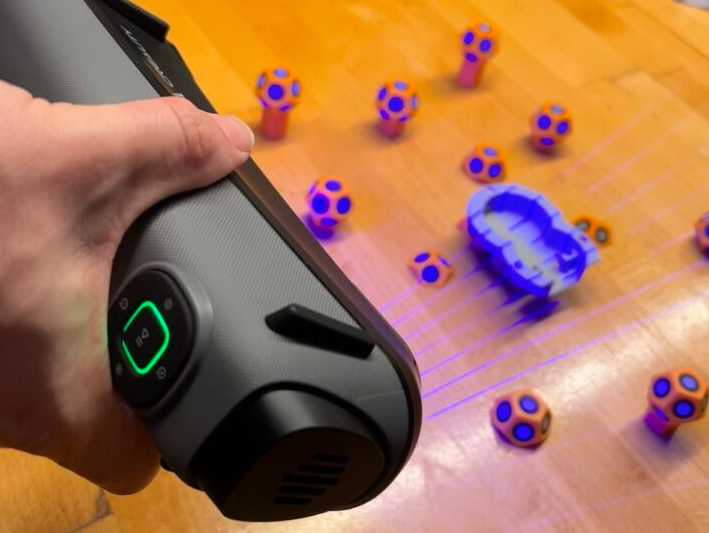
At Formekta, we provide 3D scanning for reverse engineering, scan to CAD, and product development. This service is ideal for capturing existing parts, checking fit, and creating accurate CAD for redesign or manufacturing. Australia wide mail-in is supported.
Why 3D Scan?
Reverse Engineering
Create CAD models from existing parts. Useful for legacy components, discontinued parts, or when original files are lost.
Quality Inspection
Compare manufactured parts to original CAD. Identify deviations and verify tolerances.
Digital Archiving
Preserve physical objects as accurate digital models for future reference or reproduction.
Design Verification
Check that prototypes match design intent before committing to production tooling.
Our Scanning Capability
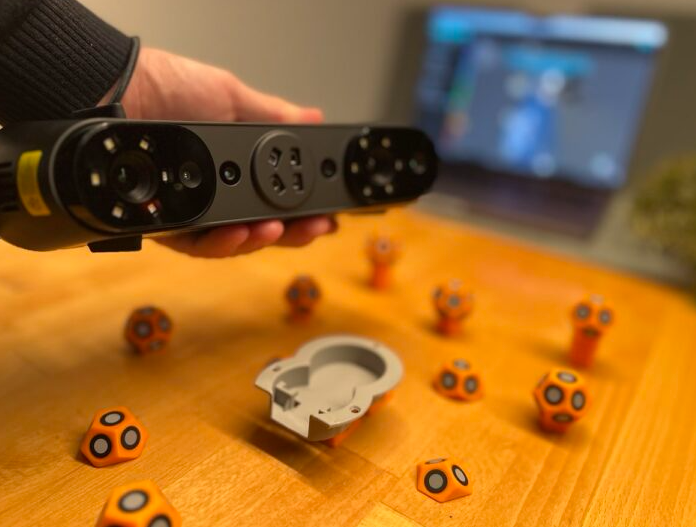
Technology: Structured light 3D scanner
Accuracy: Up to 0.05mm depending on part size
Part size range: 50mm to 500mm. Larger items by assessment.
Surface types: Most surfaces scannable. Shiny or transparent parts may need coating.
Service Levels
Basic Scan
Deliverable: Cleaned STL mesh
Best for: 3D printing, visual reference, basic measurements
Turnaround: 3-5 business days
CAD Conversion
Deliverable: STEP solid model
STEP is an editable CAD file used for design changes and manufacturing.
Best for: Modification, analysis, manufacturing
Turnaround: 5-10 business days
Full Reverse Engineering
Deliverable: Parametric CAD with design intent
Best for: Complete redesign, design modifications, manufacturing drawings
Turnaround: 1-3 weeks depending on complexity
Inspection Check
Deliverable: Basic comparison notes and measurements
Best for: Quick verification of key dimensions and fit
Turnaround: 2 to 3 business days
-
For most projects I deliver a cleaned mesh file (STL or OBJ). If you need an editable CAD model for design changes, I can also deliver a STEP file via CAD conversion or reverse engineering.
-
Send a few photos of the part, your required outcome (mesh, CAD conversion, or reverse engineering), and any critical dimensions or tolerance requirements. I will confirm suitability and provide a quote. You then post the part to my studio, and it is returned after scanning.
-
Accuracy depends on part size, geometry, and surface finish. As a guide, I can achieve up to 0.05 mm on suitable parts within the supported size range. For critical fits, I recommend providing key dimensions so we can validate the scan against known measurements.
-
Typical part size range is 50 mm to 500 mm. Most surfaces are scannable. Very shiny, transparent, or very dark parts may require a temporary scanning spray for reliable results. If you are unsure, send photos and I will confirm the best approach.
-
Yes. If you need an editable CAD model, I can rebuild key geometry from the scan and deliver a STEP file. This is suitable for modifications, manufacturing drawings, and integrating the part into a larger assembly.
-
Turnaround depends on complexity and whether CAD conversion is required. Basic scans are typically completed within a few business days after the part arrives. CAD conversion and reverse engineering take longer. I will confirm timing when quoting.
3D scanning FAQs
Get a Quote
Interested in 3D scanning? Contact us with details about your part and what you need.
Australia wide mail-in scanning is supported.
What to include:
Photos of the part and approximate dimensions
What you need: mesh (STL/OBJ) or CAD (STEP)
Any critical areas and required tolerance