
3D Printing Service, Australia-wide
Suitable for: Product Development, Prototypes, Hobby Projects & Figurines, and much more…
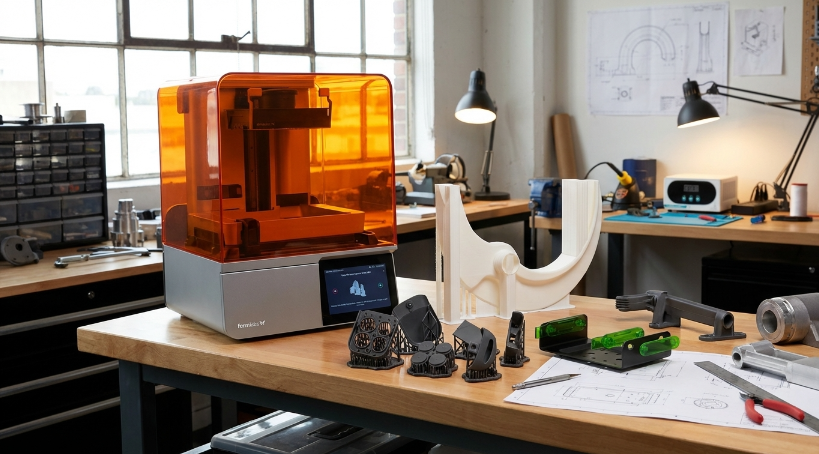
Send your part for review.
Provide a file, sketch or photo and include the quantity, intended use, material preference and any critical dimensions.
Or we can model it for you.
Send a sketch or photo of what you’d like us to model, and we can provide you with print-ready files.
Fast quoting, upload your file and get pricing within minutes*.
*Monday to Friday 9am to 3pm AEST.
HOW IT WORKS
A simple process from file to finished part.
1
Send your file or idea
Provide an STL, STEP file, sketch, photo or sample part. Critical dimensions and intended use help with quoting.
2
Confirm process and material
The part is reviewed for printability, finish, strength and cost. FDM or SLA is recommended based on the application.
3
Print, check and supply
Parts are printed, checked and prepared for collection, delivery or further design refinement if required.
3D PRINTING CATEGORIES
Choose the type of part you need.
Browse common 3D printing applications below to find the option that best matches your project. Each category can be supported with FDM printing, SLA resin printing, CAD modelling or design refinement where required.
FDM OR SLA
Prototypes
Early product parts for checking size, form, ergonomics and assembly before moving to tooling or manufacture.
Examples: Product housings, fit checks, concept models
Mostly FDM
Functional Parts
Practical components used for testing fit, clips, brackets, screw bosses, movement and assembly details.
Examples: Brackets, clips, mechanisms, mounts
FDM
Jigs and Fixtures
Workshop aids used to improve alignment, assembly, repeatability and testing
Examples: Drill guides, holding fixtures, test supports
SLA Resin
Detail Resin Parts
High-detail parts where fine features, clean surfaces and presentation quality are important.
Examples: Miniatures, display features, small detailed components
CAD & PRINT
Replacement Parts
Custom components made to replace damaged, unavailable or discontinued parts.
Examples: Covers, adaptors, knobs, repair components
FDM OR SLA
Visual Models
Parts used to communicate appearance, scale, product intent or presentation detail.
Examples: Display models, props, scale samples
MATERIAL AND PROCESSES
Select the material based on the job.
A simple material guide helps visitors understand the options without becoming too technical.

Tough PLAA durable, easy-to-print material with improved impact resistance compared to standard PLA. Suitable for functional prototypes, jigs, fixtures, and concept models that need a strong, clean finish.
Colours: White, Black.
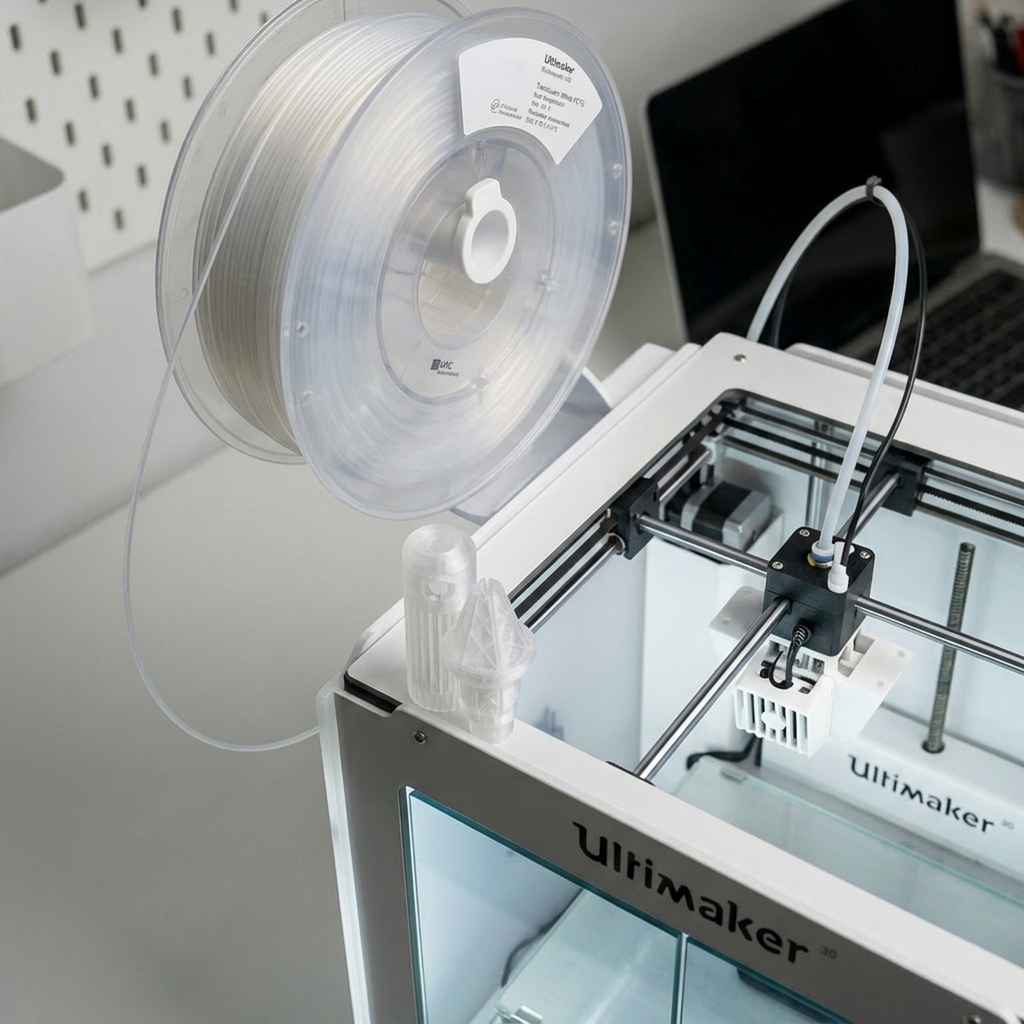
PP (polypropylene)A lightweight, flexible, and chemically resistant material. Suitable for living hinges, snap-fit parts, containers, and components exposed to moisture or chemicals.
Colours: Translucent White.
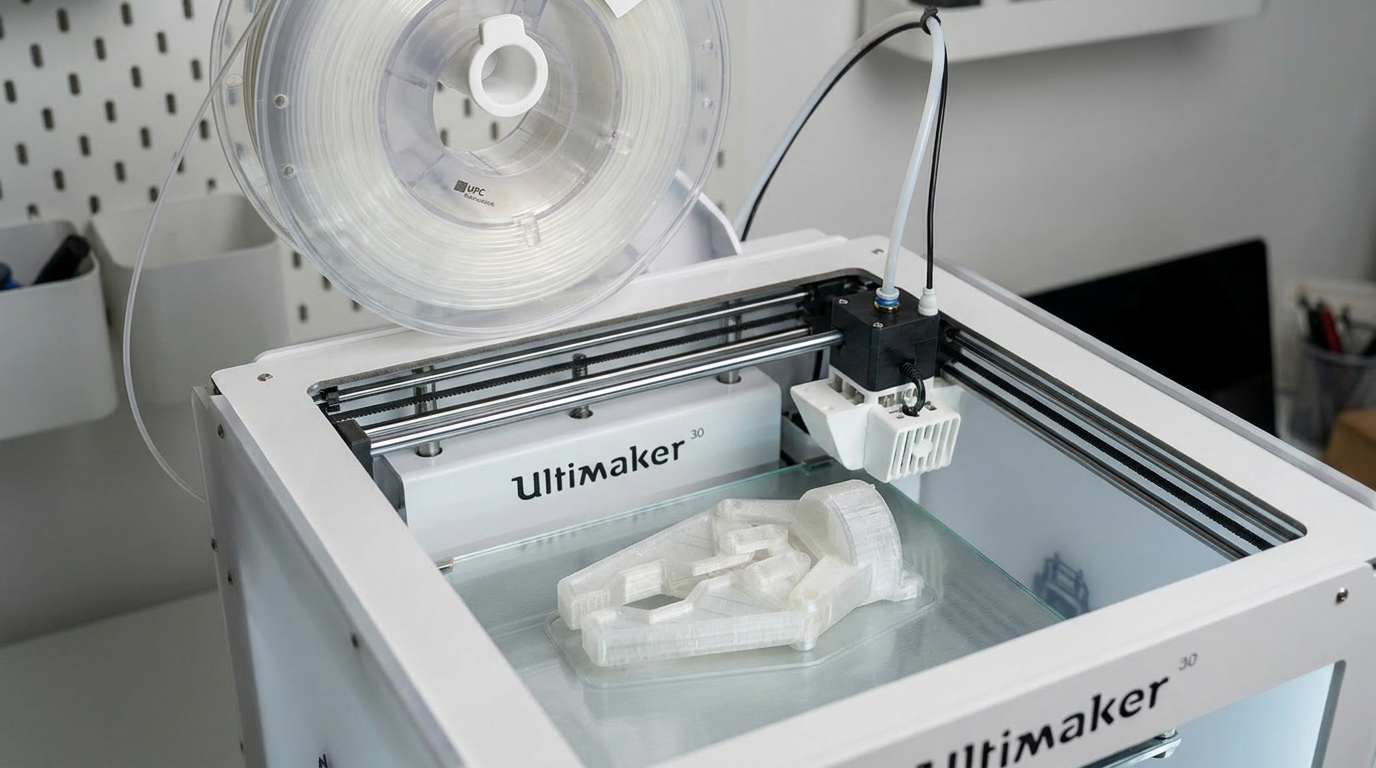
PC (polycarbonate)A strong, heat-resistant engineering material with high toughness and dimensional stability. Suitable for functional parts, housings, brackets, and components that need strength and temperature resistance.
Colours: Translucent White.
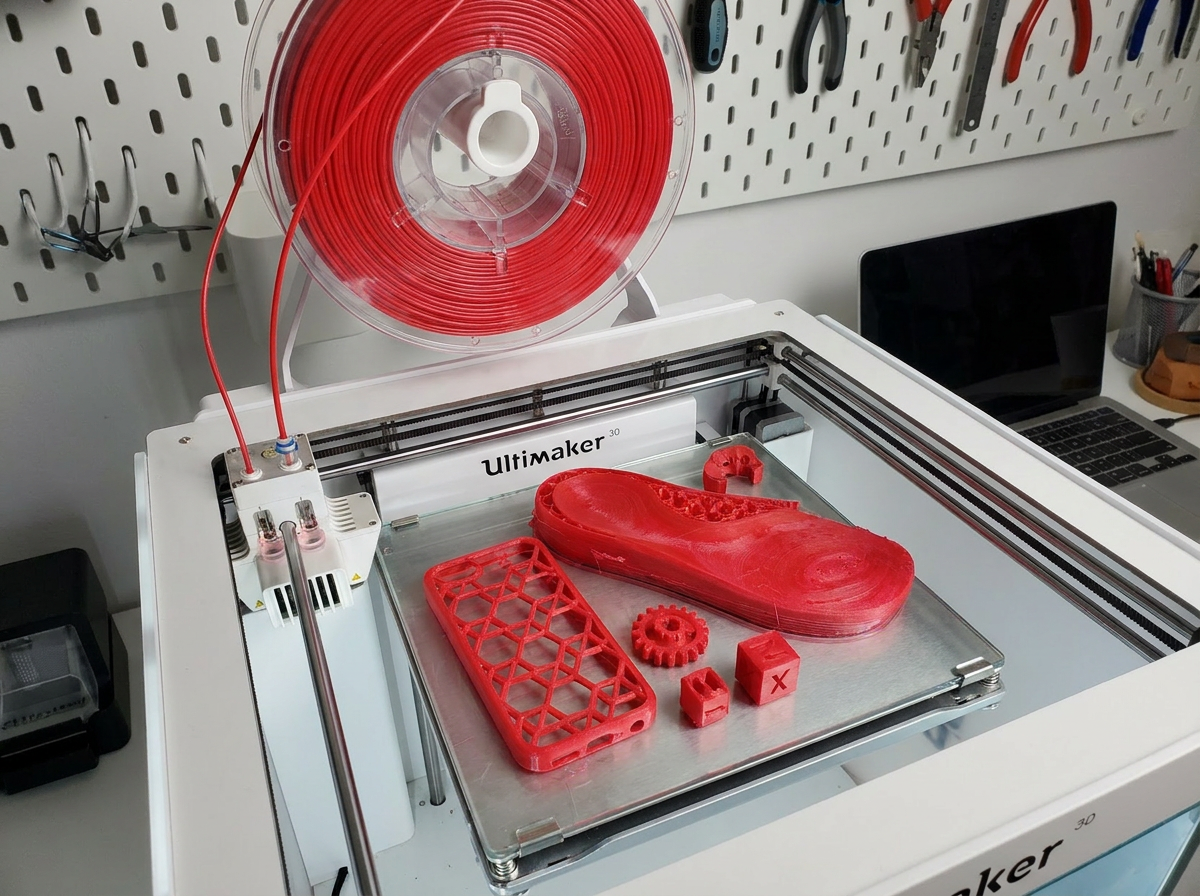
TPU 95AA flexible rubber-like material with good wear resistance and shock absorption. Suitable for seals, grips, protective covers, vibration dampening parts, and flexible prototypes.
Colours: Red.
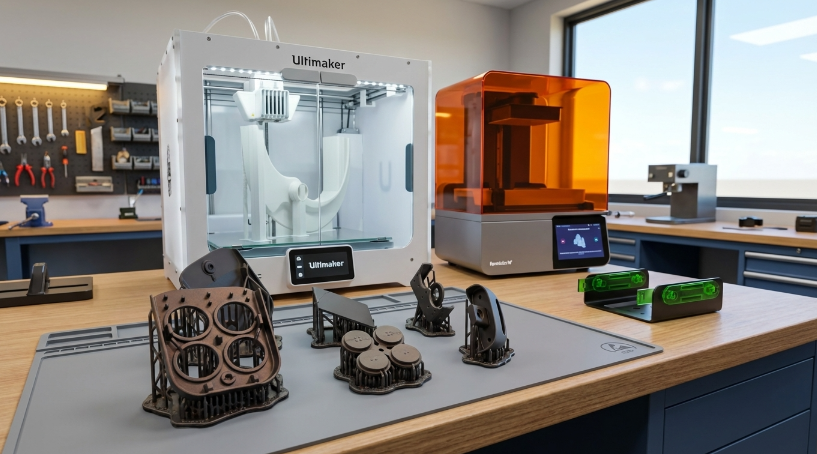
Form 4 Tough 2000 V2 ResinA strong and stiff engineering resin designed to simulate the feel of ABS-like plastic. Suitable for functional prototypes, housings, brackets, snap-fit features, and parts that need good strength, stiffness, and a clean high-detail finish.
Colours: Black.
WHY FORMEKTA
Local design support, not just printed parts.
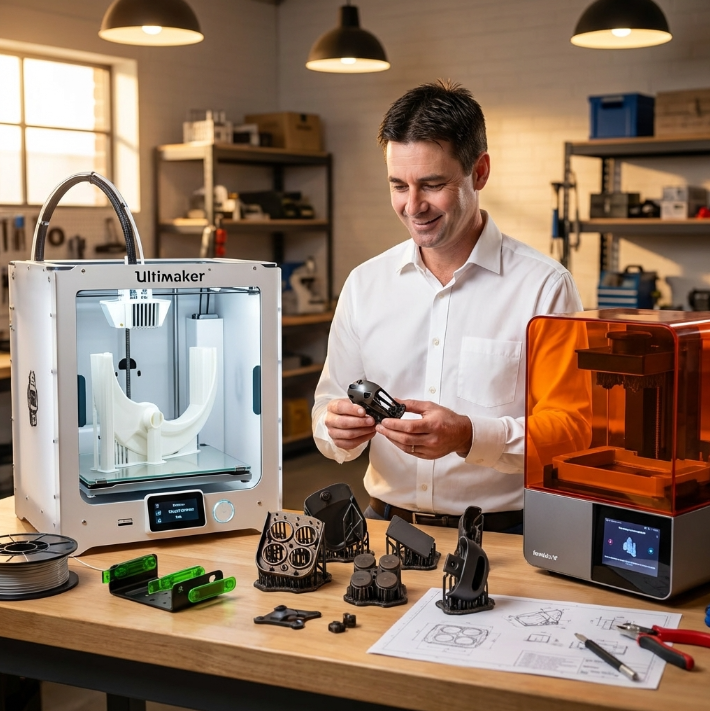
A quoting platform is useful when a file is ready. Formekta can also help when the design needs to be modelled, checked, adjusted or developed before printing.
CAD support
Model updates, design for printing and preparation of usable files.
Prototype iteration
Make changes between prints to improve fit, function or appearance.
Practical review
Advice on wall thickness, tolerances, finish and assembly details.
Local service
Suitable for Gold Coast, Brisbane and Australian product development clients.
Client Feedback
What clients say about working with Chris at Formekta
Feedback from completed CAD design, 3D printing, prototyping, product development and technical design projects.
Whether you need a single prototype, replacement parts, or complete product development, we're here to help. Most quotes provided within 24 hours.
Email us your project details or use our contact form. Include drawings, sketches, or descriptions of what you need. We'll respond within one business day with feedback and pricing.